Jan 29, 2026 by Gordy Megroz

Longer Reads: Interviewing John Winsor

On Building, Reinventing, and Starting Over.

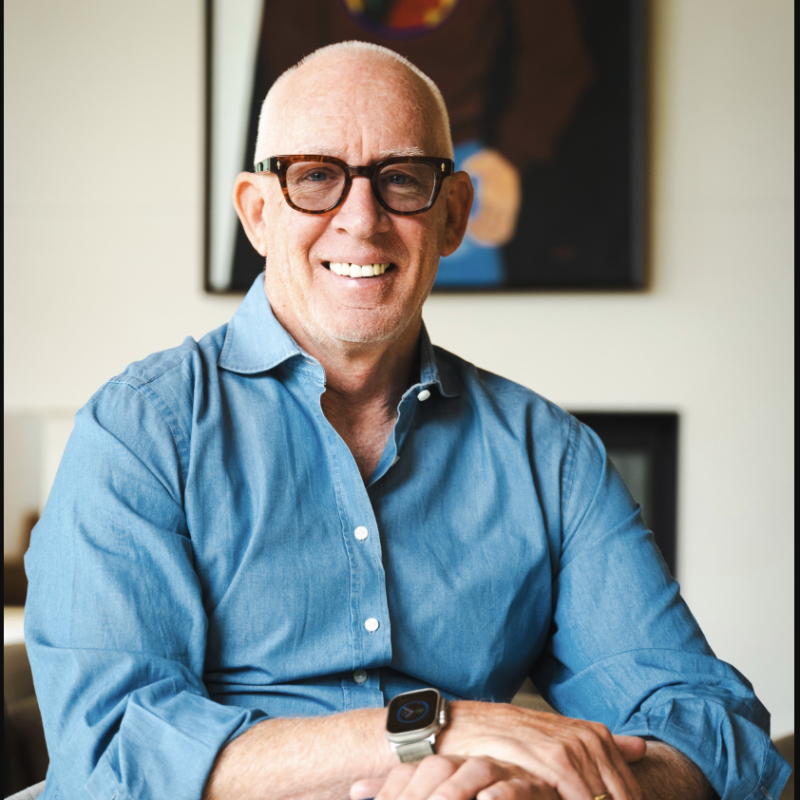
A pioneer in marketing and strategy, John Winsor founded Victor & Spoils, the first crowdsourced ad agency. He is a sought after speaker on innovation, open talent, and the future of commercial creative work.    

Early Days in Publishing and Sport

I grew up in Canton, Illinois, a small town near Peoria. My dad published newspapers, and my family had a long history in the publishing business. That gave me early exposure—I worked every job in a newsroom growing up. 

After college at Colorado College—where I was part of what people jokingly call the “Colorado College mafia” of climbers and outdoor people—I went to work for a trade-magazine publisher in Denver. That didn’t last long.

At 24, I couldn’t quite figure out how to hold down a traditional job. So I broke off and wrote a book called Fitness on the Road, a guide to staying fit while traveling.

That book set off everything else. To research the book, I convinced Four Seasons Hotels and United Airlines to back me, which basically funded a summer of training for bike racing. It was my first taste of combining publishing, business, and the outdoors in a way that worked for me.

There happened to be a struggling publication called Rocky Mountain Running News. I scraped together enough money for a Mac Plus, a LaserWriter, and typesetting software. That was enough to keep the magazine alive. From there, I got deeper into publishing—and into sports. I’d played football and run marathons in college, then transitioned into triathlons at the very beginning of that movement. My wife, Bridget, was a professional triathlete. We were both fully immersed in that world.

In the late 1980s, I leveraged everything I had to buy Women’s Sports and Fitness, which was going through bankruptcy. Nike was a major advertiser in my small Colorado magazine at the time. When I asked Tinker Hatfield and Mark Parker [both high-ups at Nike] if women’s sports were going to take off, they said: “Put everything on red. Women are going to do sports.” So I did.

That gamble worked. Over time, we grew from three people in a garage to a company of a couple hundred employees. We added multiple inline-skating titles, Gravity Magazine, and the Gravity Games. In 2000, I sold the company to Condé Nast and others. We’d been part of the founding era of women’s sports.

When I bought Women’s Sports and Fitness, it was struggling with being authentic—and the economics of a failing magazine. My simple question was: Why parachute a generalist writer into a niche community when the athlete can tell the story herself? We flipped the paradigm and had people, like Lynn Hill, write their own pieces, then edited them for the reader. It changed the cost structure and made the work feel real. That experience planted a core belief that’s guided me since: brilliance is abundant and opportunities are scarce. My career became about building platforms and processes that surface that brilliance.
Climbing, Skiing, and Community

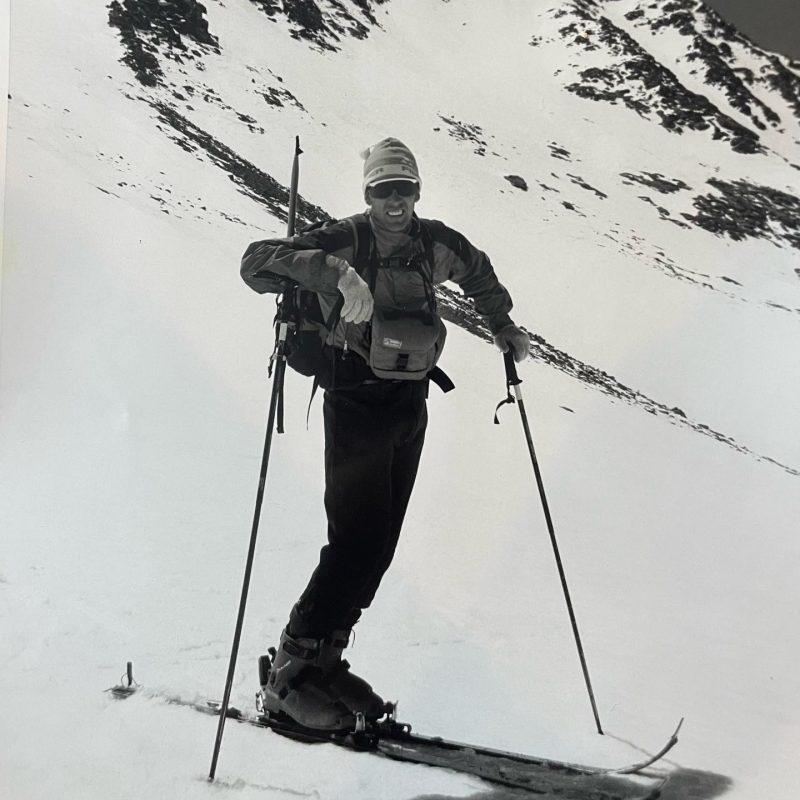
Alongside publishing, I was climbing, skiing, and exploring constantly. I joined the Black Diamond board when the company was small and stayed for 15 years. I co-founded the Boulder Rock Club, one of the country’s first climbing gyms. I also helped Nike found ACG and Patagonia relaunch their efforts in surfing.

I also chased speed in the mountains—Nordic skiing, bike races, mountain running, and climbing. In 1993, Kevin Cooney and I set a speed record on Kilimanjaro, before “FKTs” were even a thing. Those years in Boulder were full of experiments: climbing all five Flatirons in a day, trying new link-ups. The spirit was always: go fast, do it differently, have fun.

There were close calls, too. In 1993, I was caught in a massive avalanche in the Selkirks with a group of 14 people from Scarpa, Black Diamond, and the guide community. It was a thousand-foot-wide, nine-foot-deep fracture line—we went over two cliff bands. Miraculously, no one died, though two people were fully buried. Experiences like that always remind me that no matter how good your team is we face objective hazards that we can’t control.

In 1993, I was caught in a massive avalanche in the Selkirks with a group of 14 people from Scarpa, Black Diamond, and the guide community. It was a thousand-foot-wide, nine-foot-deep fracture line—we went over two cliff bands. Miraculously, no one died, though two people were fully buried. Experiences like that always remind me that no matter how good your team is we face objective hazards that we can’t control.

John Winsor

Reinventing Work

After selling the magazine group, I started Radar Communications, a strategy and research company built around early adopters. I’d been fascinated by Everett Rogers’ book Diffusion of Innovations, and I coined the term “co-creation” in marketing. We brought anthropologists in to do ethnographic research, then told customer stories with a journalist’s clarity. Nike, Levi’s, HP, and Intel all hired us.

That led to a merger with Crispin Porter + Bogusky in Boulder 2007. We put co-creation at the center of the agency’s strategy, and, over the next couple of years, we’d won $3 billion of new work—Microsoft, Volkswagen, Best Buy, Domino’s—and became the Global Creative Agency of the Decade. It was a rocket ride.

But I kept gravitating back to the startup world. In 2009 I founded Victors & Spoils, the first crowdsourced ad agency. We launched out of my garage. Stuart Elliot, from the New York Times asked us to hold off on the launch of the company so he could write an article about what we planned to do. The day the Times piece hit, 3,000 creatives signed up, and Dish Network handed us their $100 million advertising account. A couple of years later, we went even bigger—winning Harley-Davidson’s global account. When Harley-Davidson fired its agency after 32 years, every holding-company shop on the planet lined up to pitch. Those pitches cost about half a million dollars and take months. 

We didn’t want to take that route. My creative director, Evan Fry, said, “Instead of asking for permission, let’s ask for forgiveness.”

We literally ran back to the office from a coffee shop and recorded a 10-minute video to send out to our 10,000-person creative crowd in our Victors & Spoils community: “We’re working on Harley-Davidson,” we told them. “I’m putting $10,000 of my own money on the table. Let’s see if we can earn a meeting in Milwaukee.”


Then I posted an open letter on Twitter to the CMO, Mark-Hans Richer: “Have fun with the steak dinners and golf rounds with the big agencies—you’ll have a blast. Meanwhile, I’ve got 10,000 people already working on your business. If you want to see anything, give me a shout.” 


Twitter lit up. Within 30 minutes, he replied: “So good to hear from you. Time to change the paradigm of Harley. Come see me in Milwaukee.” Two weeks later, we walked into Harley-Davidson’s HQ, from our garage-born agency in Boulder and won the global account. With our small crew of 20 people, we beat out every big holding-company agency. 

A couple of years later, Havas acquired us, and I became Chief Innovation Officer for the Paris-based giant. I spent those years surfing in Mexico, then flying all-night to Paris for meetings. It was fun—and exhilarating.

Those years also sharpened my view of what a “job” really is: a bundle of tasks. Technology keeps unbundling and rebundling those tasks into new roles. Typists didn’t disappear because the work vanished; word processing just redistributed the tasks to everyone. The same logic explains why freelance and fractional models flourish when a company needs, say, a narrow slice of expertise for a short window. You don’t need a quantum-computing department; you need three great minds for a few critical tasks.


Personal Loss and New Directions


Not everything was up and to the right. My wife of 32 years, Bridget, struggled with depression and later suffered from late-onset bipolar disorder. After years of pain and chaos, in 2017 she took her own life. It was devastating.

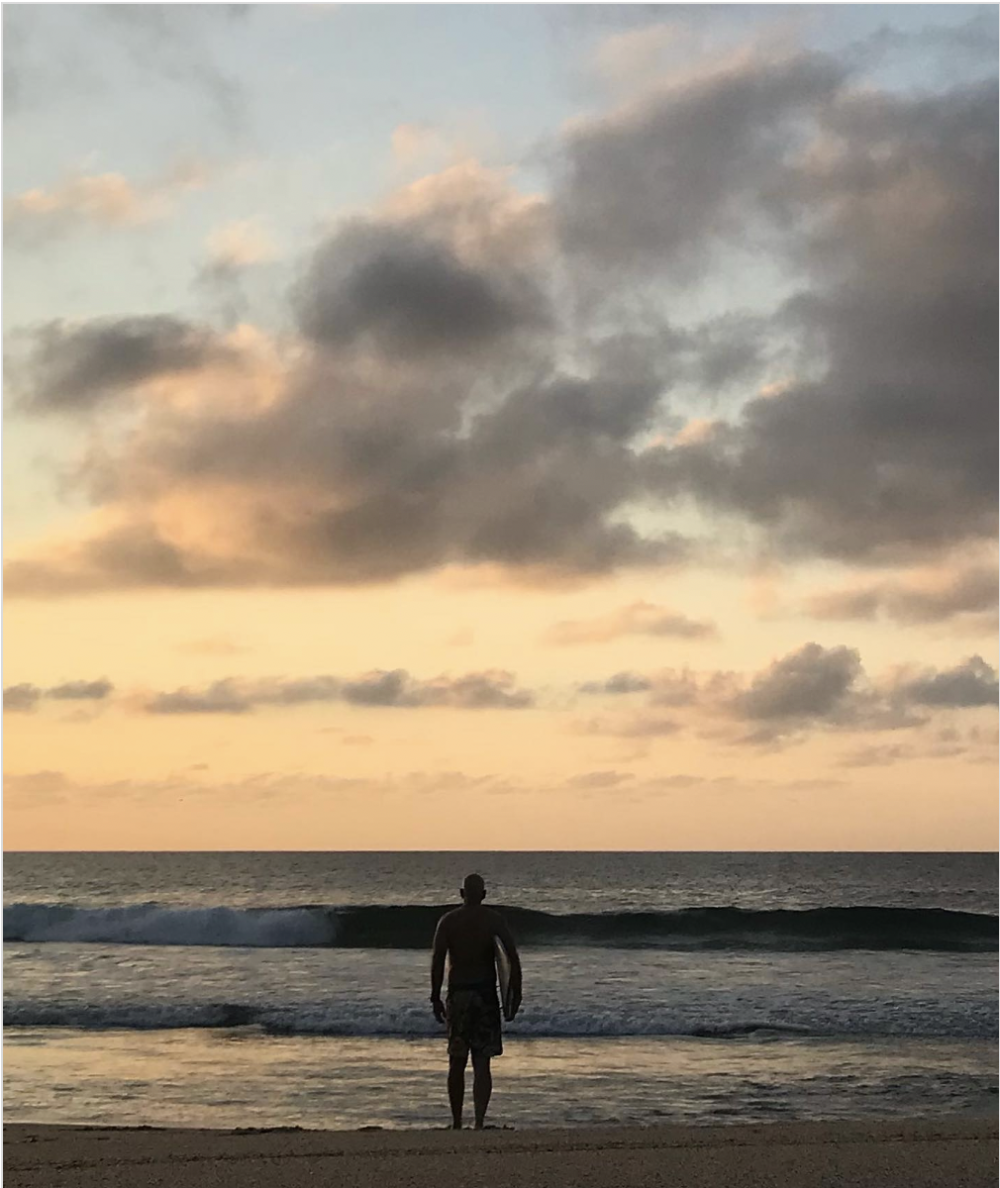
Photo: Courtesy John Winsor

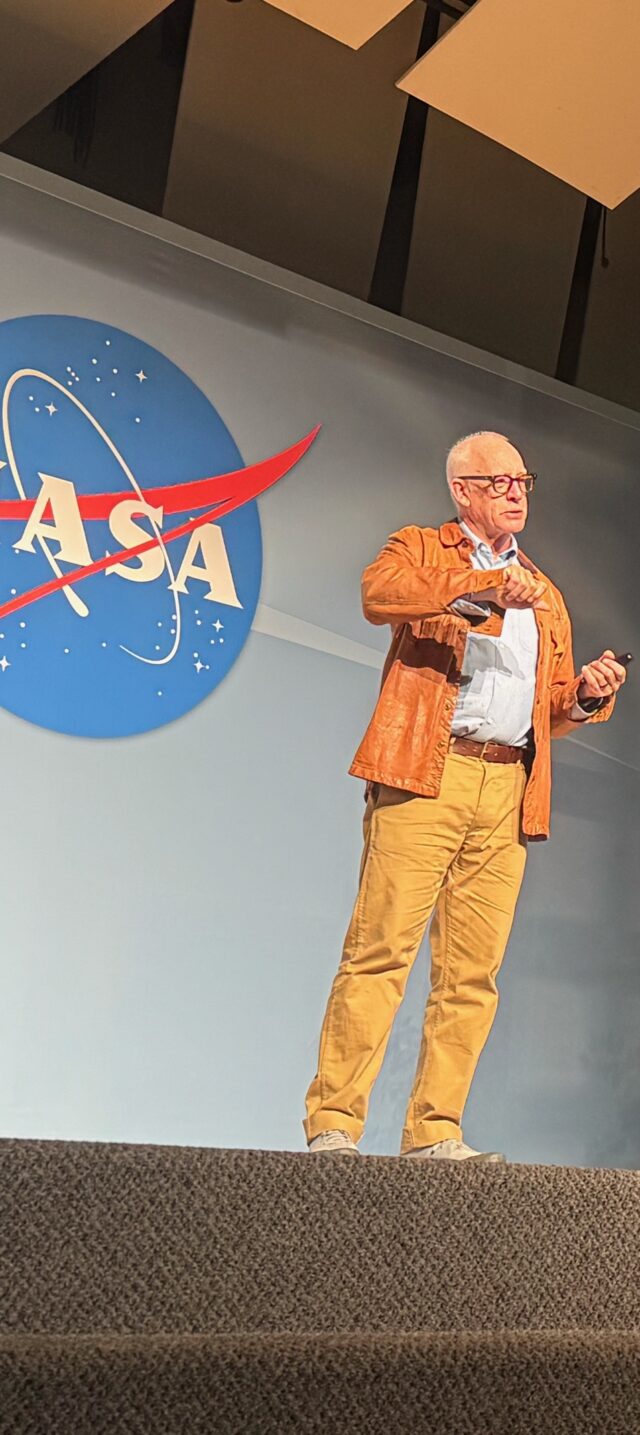
In the aftermath, I leaned into my work at Harvard Business School, where professors had written case studies on Victors & Spoils and my time at Havas. I helped launch the Laboratory for Innovation Science at Harvard, which built NASA’s Center of Excellence for Collaborative Innovation, and now I’m involved with the Digital Data and Design Institute, focusing on AI and the future of work. I also co-authored Open Talent, my sixth book, and other articles and research on labor, AI, and innovation.

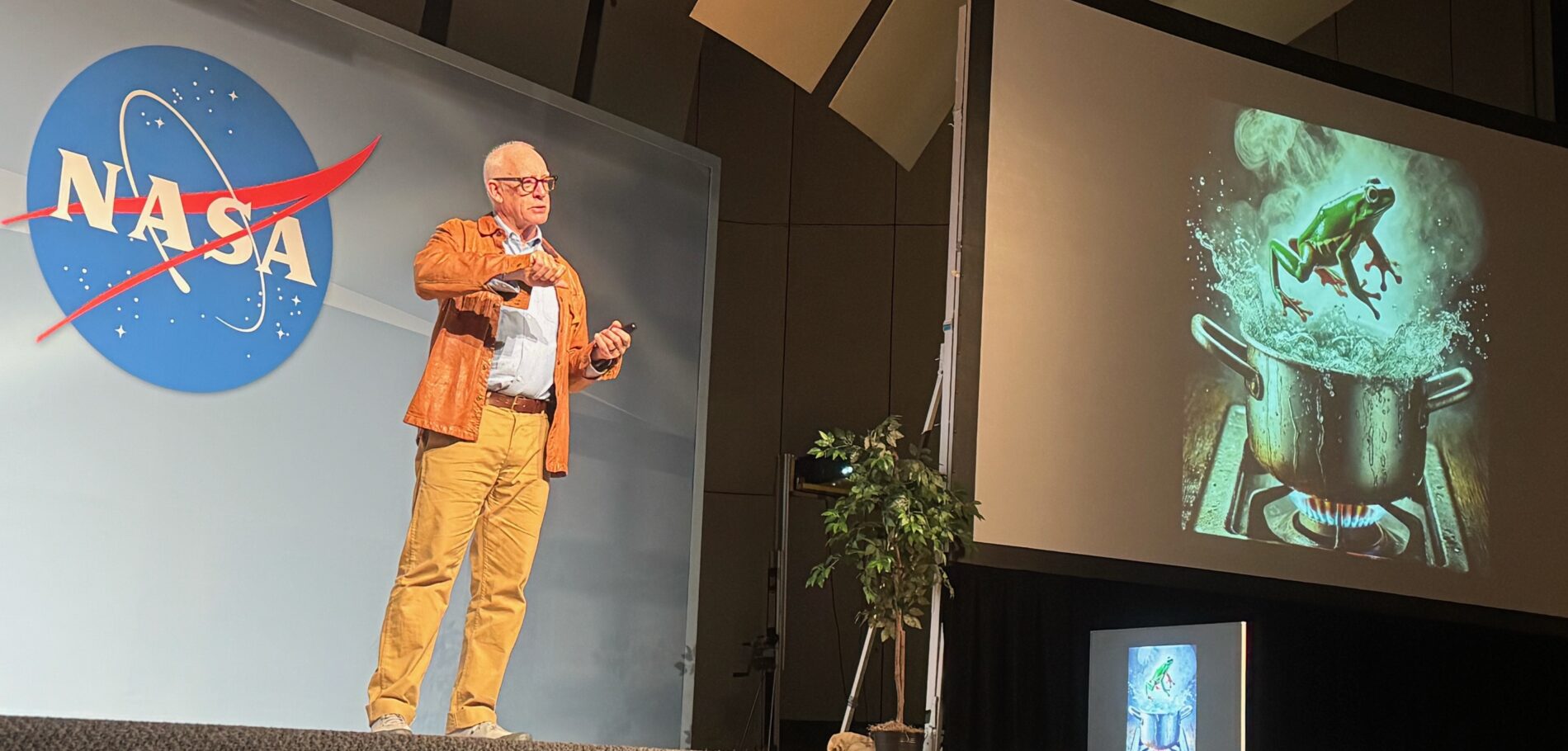
When I got to Harvard Business School, I saw this up close in our research work with NASA. Their Health & Human Performance team spent a decade and $20m working with world-class heliophysicists to predict solar flares, achieving a 90-minute warning with 50 percent accuracy. That wasn’t good enough to keep astronauts safe. We tried a new approach and opened the problem on Topcoder [an online platform that connects businesses with designers, developers, and data scientists to crowdsource solutions]. A retired cellphone engineer—no space background—delivered 75 percent accuracy in 30 days for a fraction of the cost. The pattern repeats: expertise is widely distributed; opportunity and access isn’t. Open, task-level markets close that gap.

My book, Open Talent [published by Harvard Business Review Press in January 2024], distills much of this journey: tasks over talent, marketplaces over monocultures, and operating systems that let organizations tap the right capability—inside or out—just-in-time. Today’s AI surge, but the thesis has only accelerated.

On the personal side, life brought me back to joy. I’ve since remarried—Emily and I now have four kids together—and surfing, skiing, and climbing continue to be at the core of who I am.. 

Looking Forward

If there’s a through line, it’s the outdoors—for friendships, for resilience, for perspective. The business world has given me opportunities to experiment with ideas that sometimes scaled globally. But what grounds me are the relationships and adventures that start with a rope, a trailhead, or a surfboard.

These days, my work is focused on following my lifelong vision that brilliance is abundant and opportunities are scarce. This includes studying fractional and freelance labor, AI, and what the future of work looks like. But I never stray too far from the mountains and waves. That’s where the real stories get written.

AI is a massive accelerant of the open-talent shift. It crushes the cold-start problem, speeds research, and levels access to pro-grade tools. As my Harvard colleague Karim Lakhani says: you won’t be replaced by AI—you’ll be replaced by someone who uses AI better. Still, the edge for freelancers (I think of us as micro-entrepreneurs) remains deeply human. Four things matter most:


Judgment — taste, timing, and standards built from experience.


Trust — relationships and accountability that de-risk big decisions.


Integration — orchestrating human and synthetic resources into coherent work.


Brand/Taste — your reputation and point of view; tools are abundant, taste is scarce.


Remote work and Covid removed the last taboos around non-linear careers. What used to be “moonlighting” has flipped to daylighting: people hold W-2s for benefits, but pour their best energy into building products, content, and services on the side—often where they learn faster and own the upside. In marketing alone, the traditional agency headcount has been flat for years while tens of millions of independent creators now participate in the economy around brand storytelling and distribution. The unit size of the “agency” keeps shrinking; one-person studios can assemble AI plus global talent to deliver at speeds incumbents can’t match.

Freelancers should lean into the frictions you feel and use new tools to remove them. Learn fast in public; ship often. If I were starting today as a designer/developer, I’d rebuild local business sites for a flat fee, iterate with AI-native tools, and let throughput be my teacher. The wave set keeps changing; your job is to practice, stay curious, and be in position when the next one stands up.